[POST]Industrial Urals: Reshety, a general regime colony
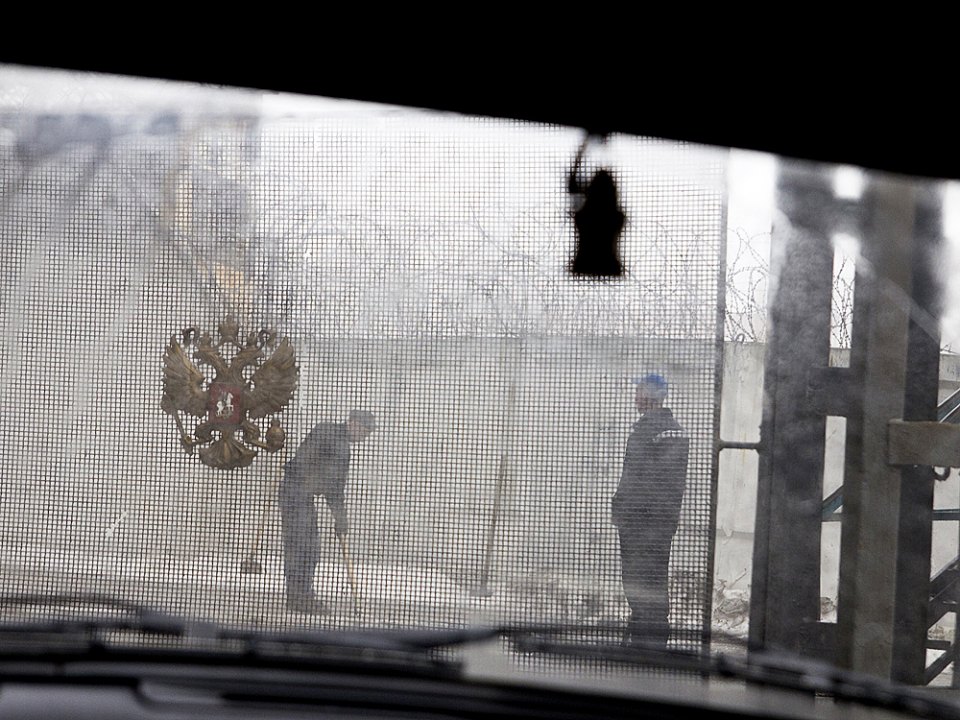
Today’s story about the Urals is somewhat unique: the village to be discussed was not directly associated with any factory.
Sergey Poteryaev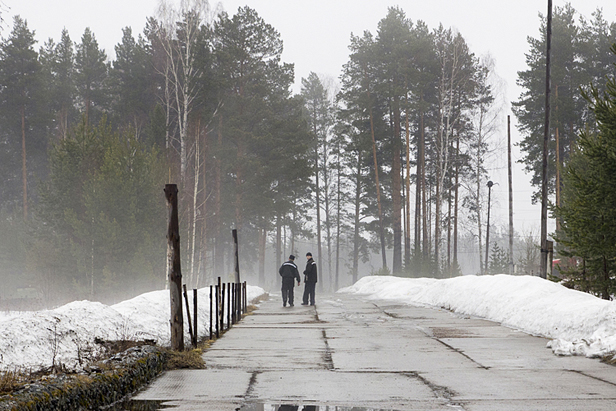
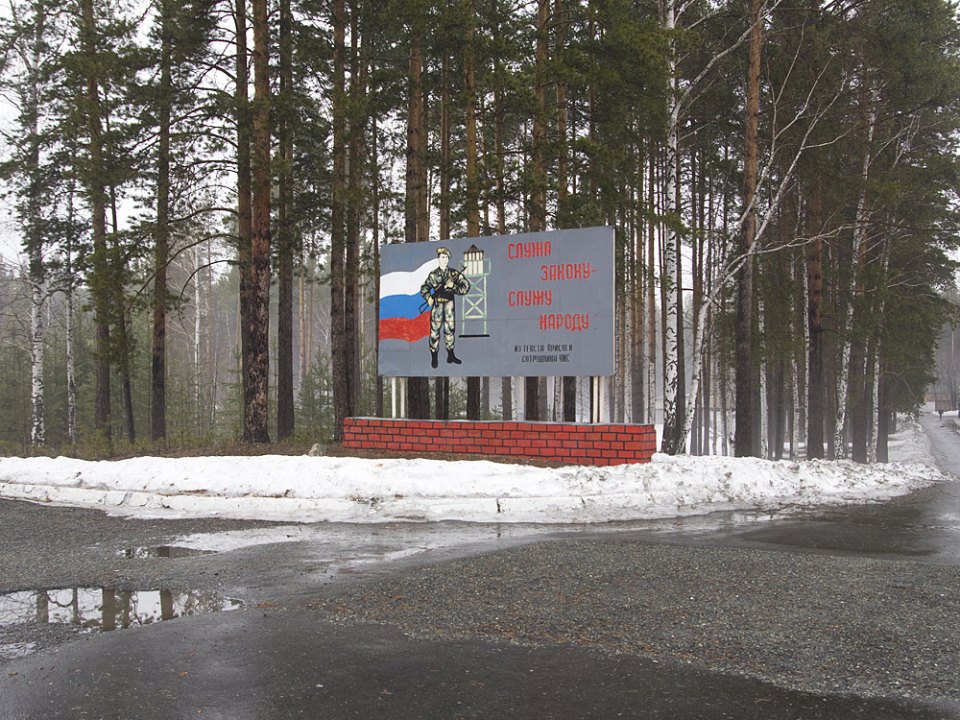
My story about this village will be told instead through a correctional facility located there.
Sergey Poteryaev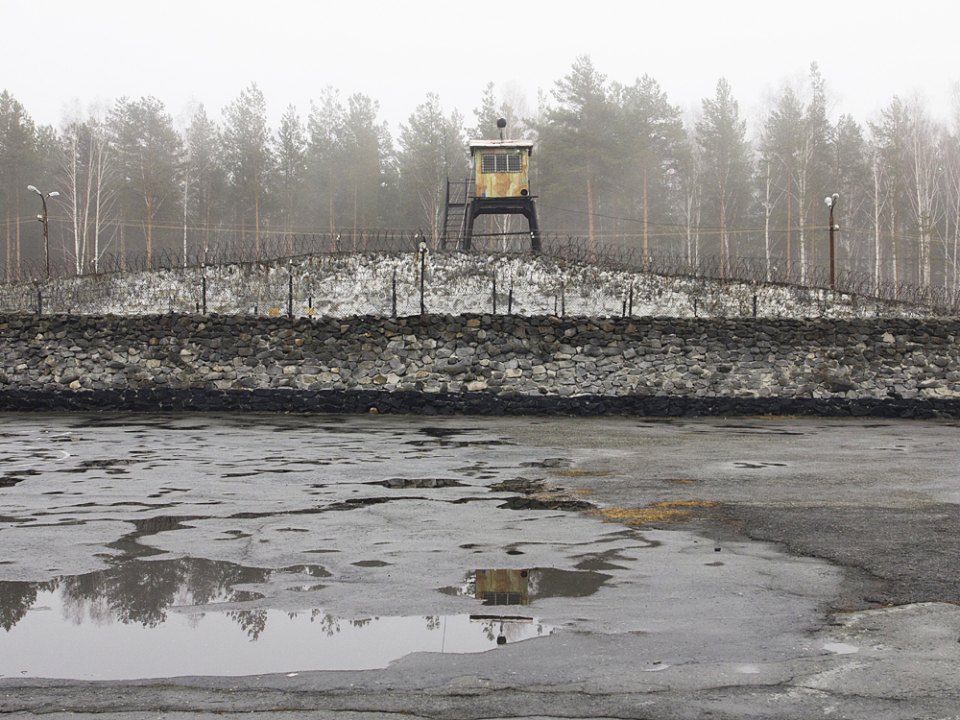
Initially, in Soviet times, the village of Reshety was home to a penal battalion. Later came an occupational therapy rehab center, a detention center, an experimental zone...
Sergey Poteryaev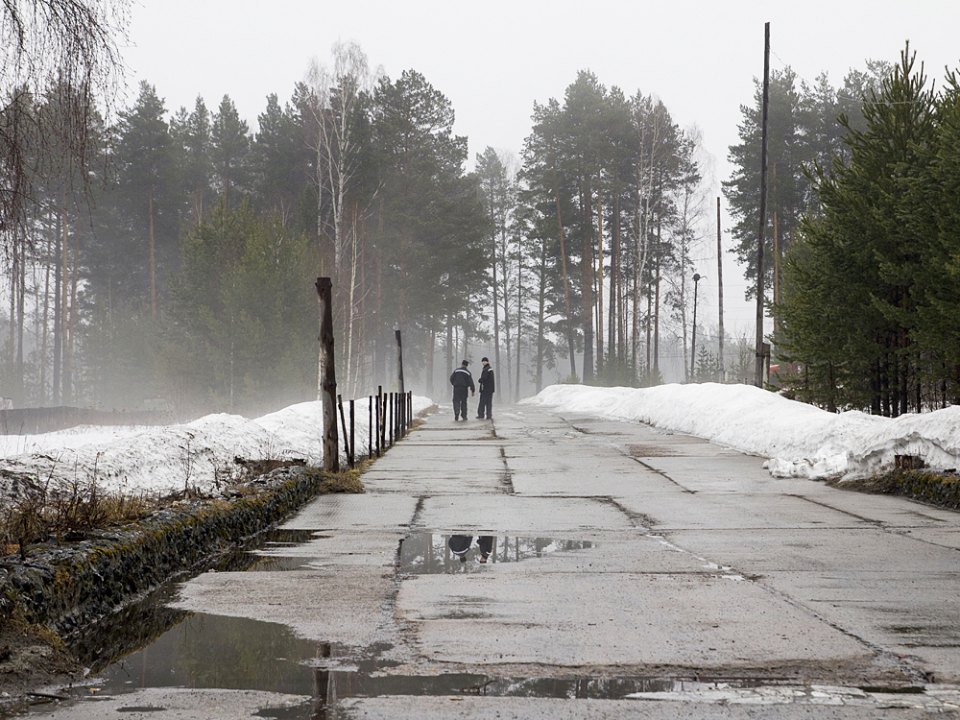
Until 2001 it was a military unit, after which it became part of the General Directorate of the Federal Penitentiary Service for Sverdlovsk Oblast — a general regime colony.
Sergey Poteryaev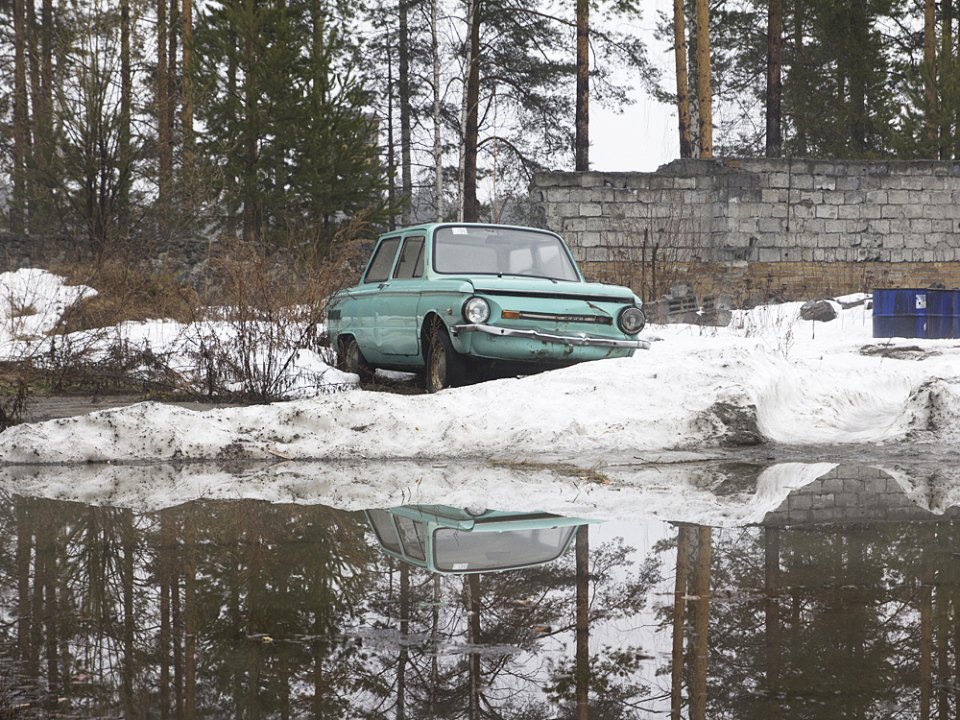
It is common practice to arrange tours of the colony for “difficult” teenagers who are on file with the juvenile division.
Sergey Poteryaev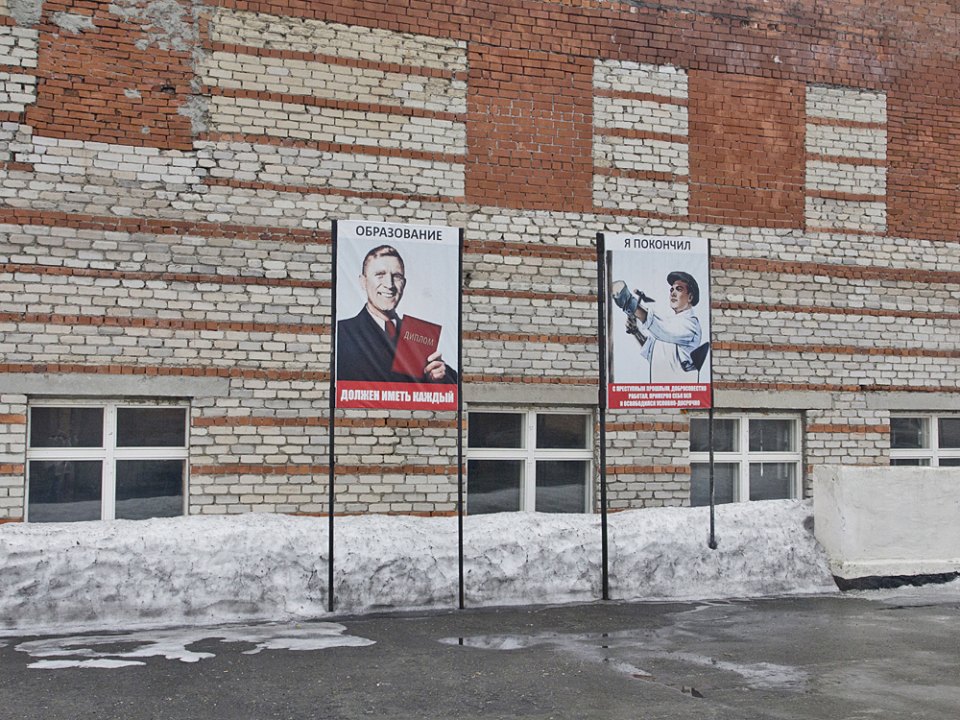
They are shown the colony, the punishment cell, and the school, and convicts talk to the teenagers.
Sergey Poteryaev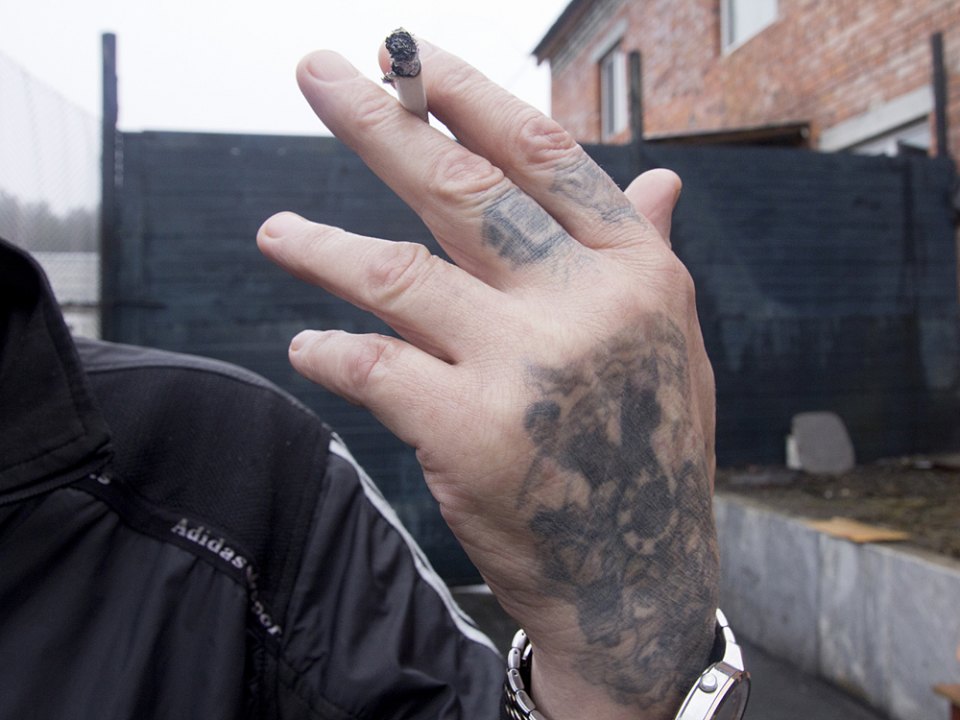
“The excursion makes them think hard and reconsider their behavior. In any case, when leaving the colony, all are unanimous in saying that they do not want to end up here as convicts,” said the press service of the regional police.
Sergey Poteryaev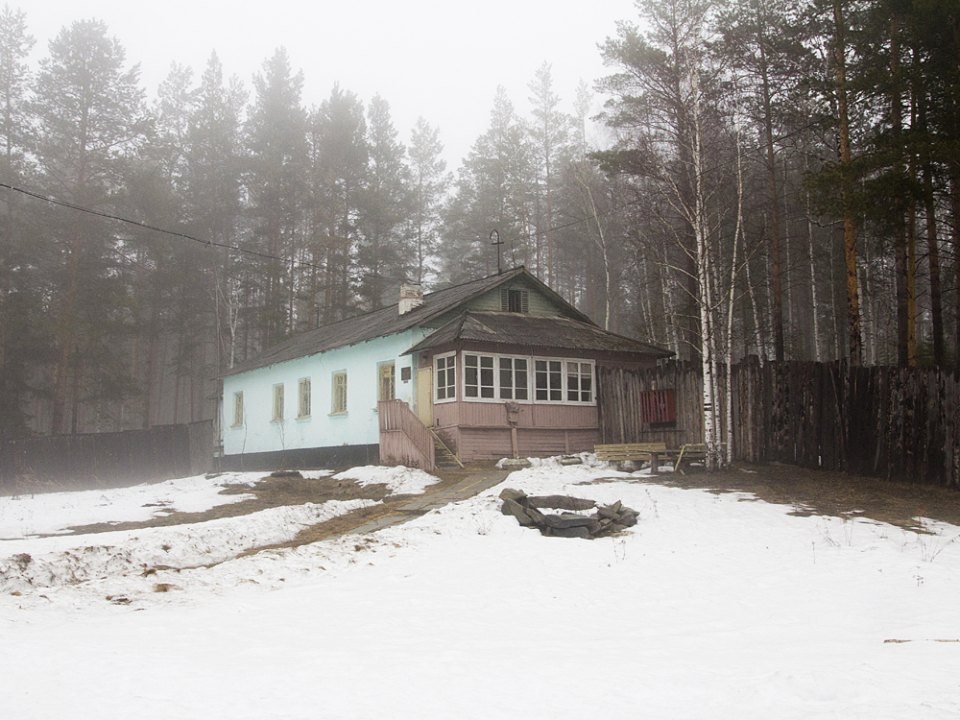
Reshety is a village in Sverdlovsk Oblast, founded in 1735.
Sergey Poteryaev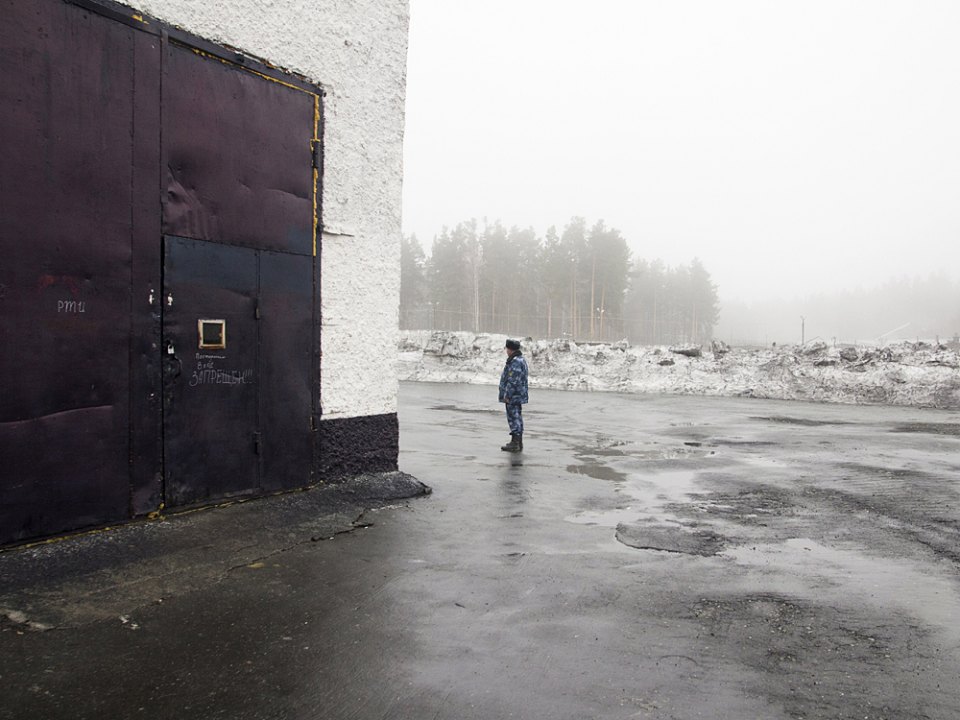
The “Collection of Statistical Information” references it as follows: “The village of Reshety was established by Imperial decree and is inhabited by enlisted recruits (former artisans of the Royal Mint) as a shelter for troops passing along the Siberian high road...”
Sergey Poteryaev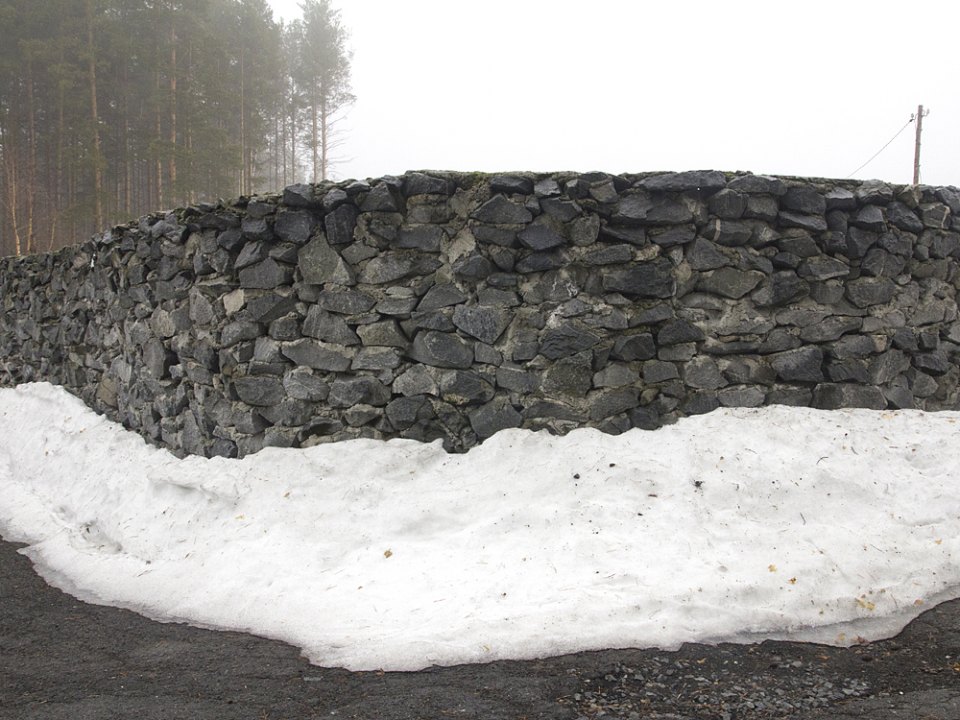
It was named after the Reshetka river, the right tributary of the Iset river. In 1754 a post office was opened in the village.
Sergey Poteryaev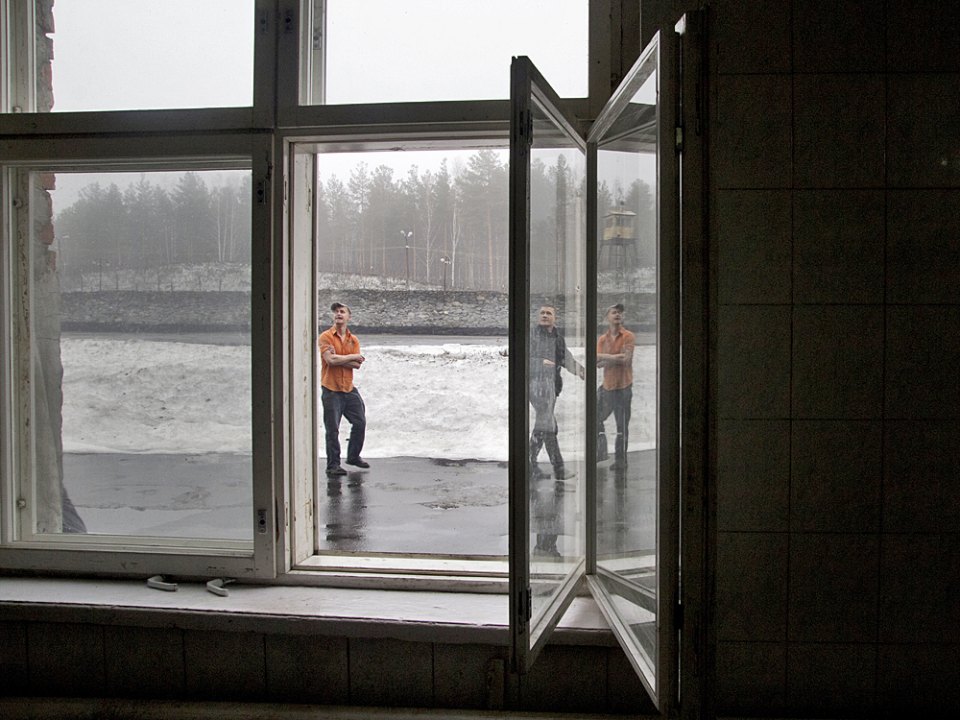
On the discovery of gold-bearing sands in the Urals, many peasants turned their hand to prospecting. The gold they found was sent to the Verkh-Iset plant.
Sergey Poteryaev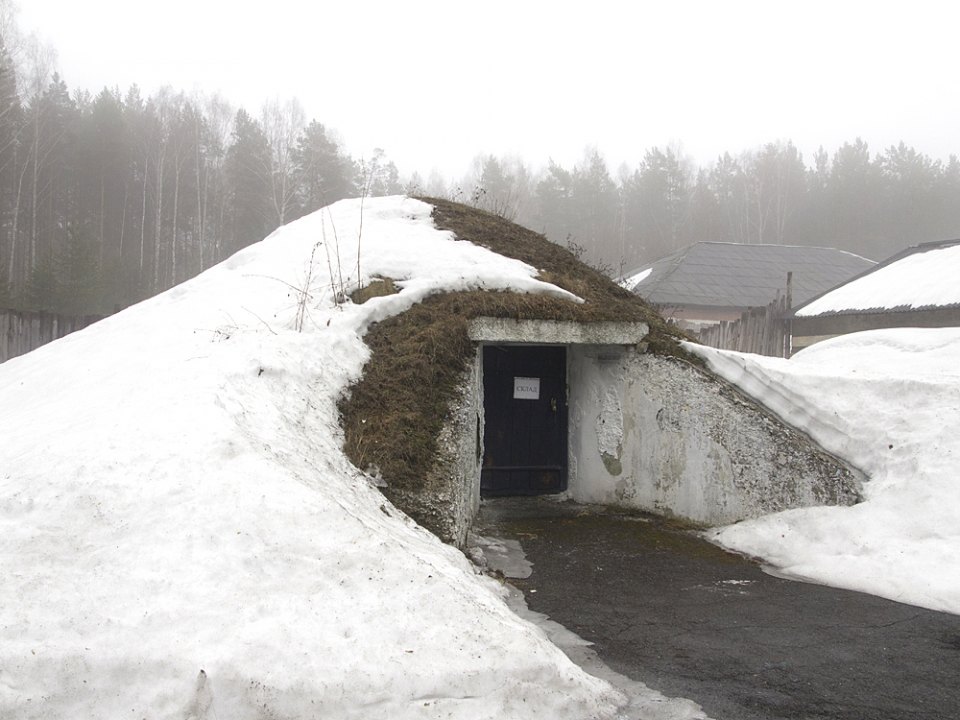
Enterprising timber merchants in Yekaterinburg sited several sawmills and coal furnaces near the village of Reshety, and exploited the cheap labor of the peasantry. At the beginning of the 20th century, a railroad track was laid in the vicinity of the village.
Sergey Poteryaev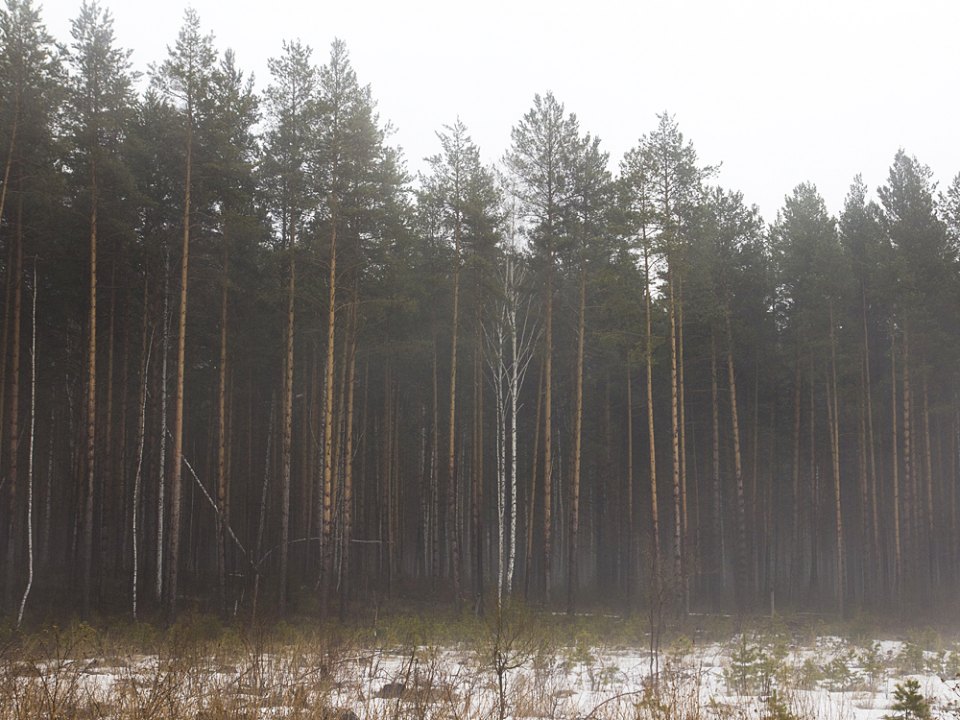
The village began to develop in the middle of the last century with the construction of a canal to supply water from the Volchinsky reservoir and the installation of filters to purify water for Yekaterinburg.
Sergey Poteryaev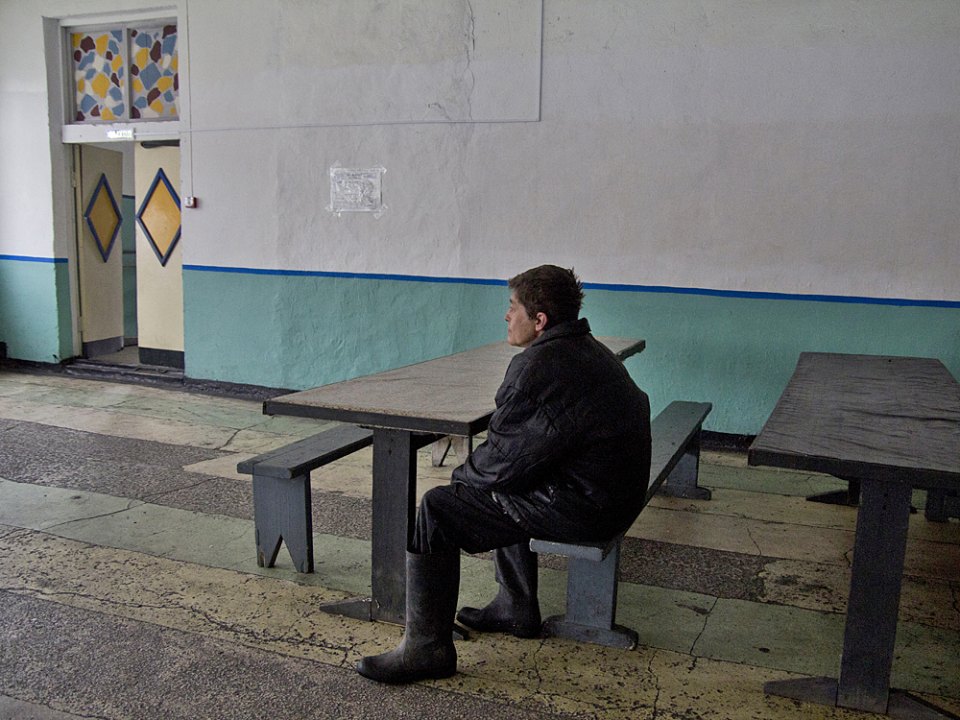
The workers who built the canal remained in the village.
Sergey Poteryaev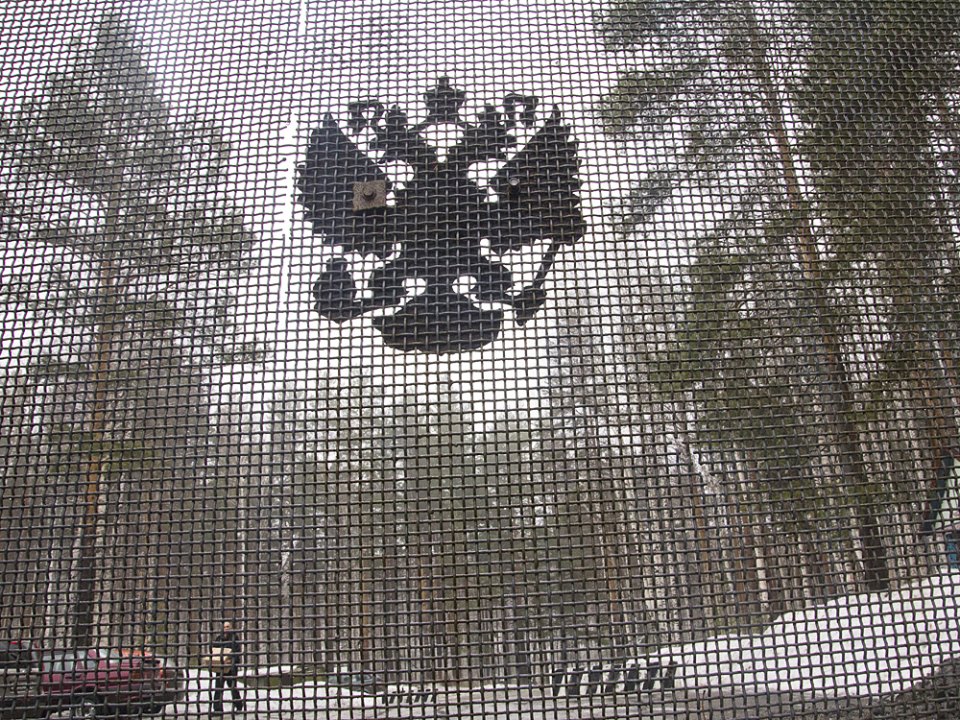
The only facility that somehow relates to industry is the opencast mine. It was used to extract soil and rock for the construction of the Yekaterinburg-Perm highway. Today the quarry is used as a recreation site for villagers and dacha-goers.
Sergey PoteryaevSubscribe
to our newsletter!
Get the week's best stories straight to your inbox