[POST]Industrial Urals: Satka, hollow of the Eagle
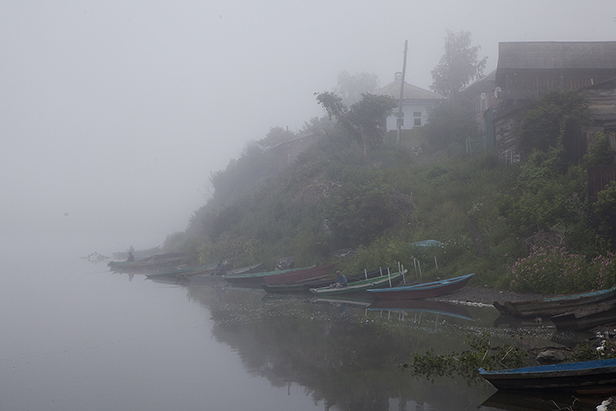
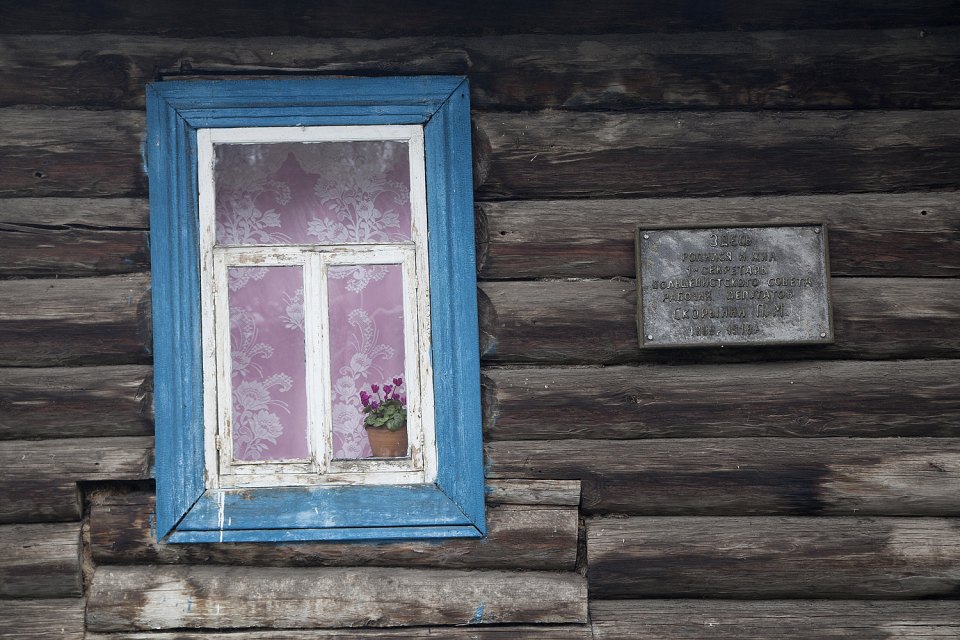
Satka is a small town in the Chelyabinsk region with a population of 50 000 people. Here they say: “Only in Satka is life sweet!” (in Russian it rhymes). Although such towns may seem abandoned, locals are surprisingly proud of their homeland.
Sergey Poteryaev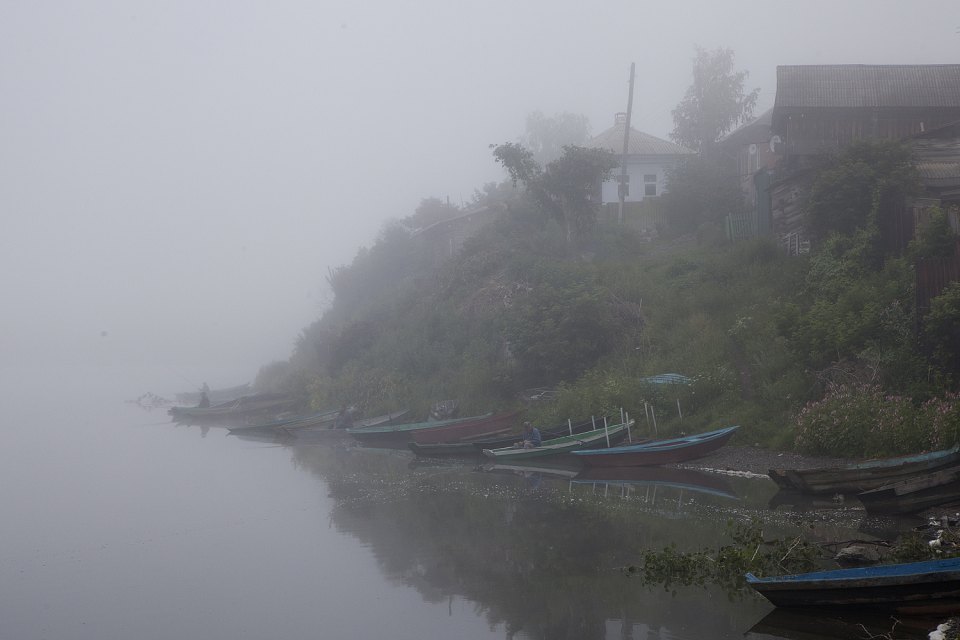
The city has "monotown" status, i.e. a factory town. The main employer used to be the Magnesite plant. For bored residents there's an entertainment complex awkwardly named “Sonya's Lagoon.”
Sergey Poteryaev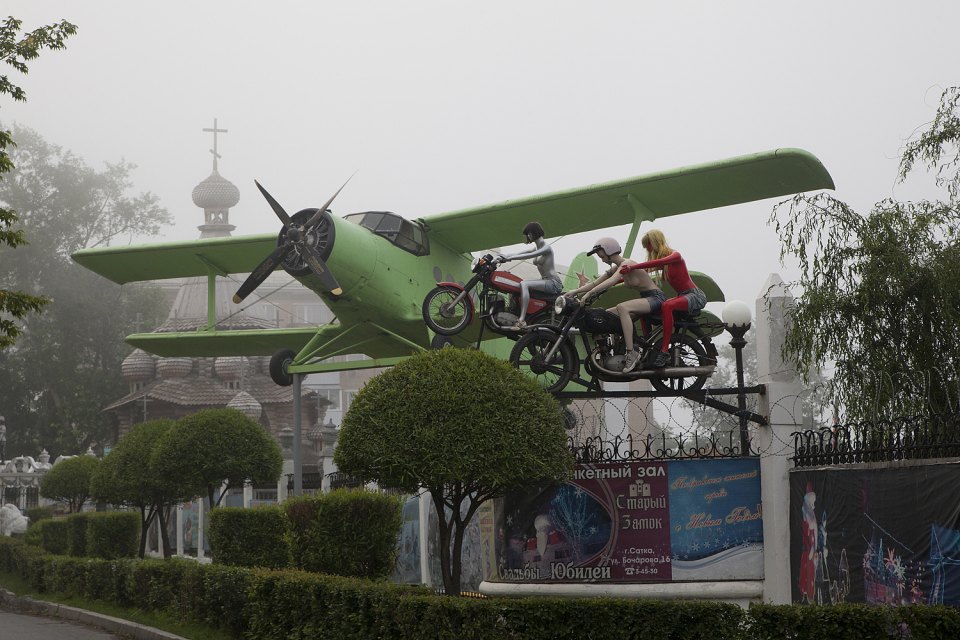
The creator of the project is local entrepreneur Yury Kitov, the director of the Zyuratkul national park. He named the new complex in honor of his granddaughter Sonya.
Sergey Poteryaev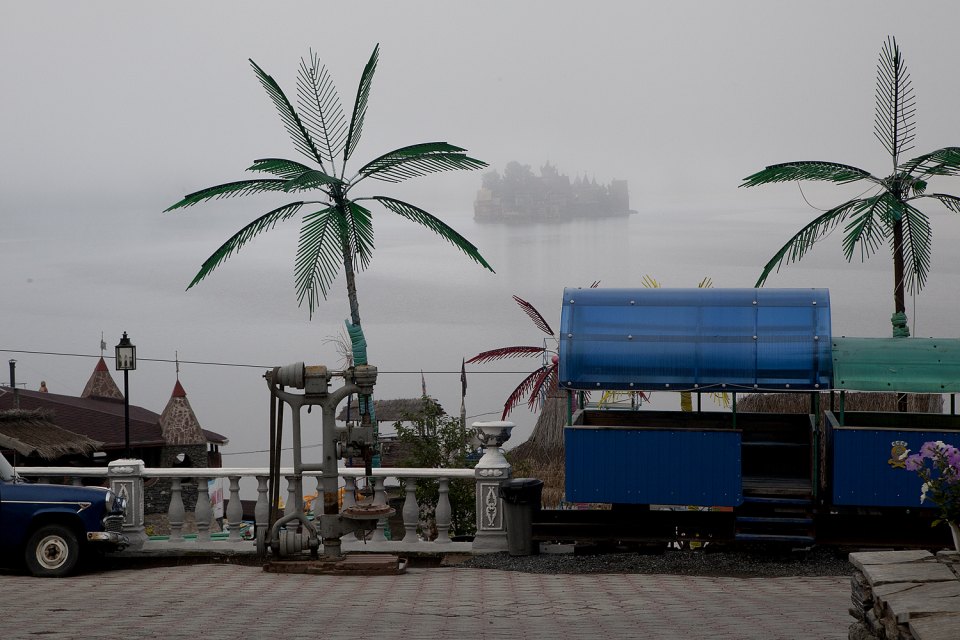
Another masterpiece of construction and naming from Yuri Kitov is the artificial island “Hollow of the Eagle.” Maybe for Americans it sounds better, since the eagle is the national symbol.
Sergey Poteryaev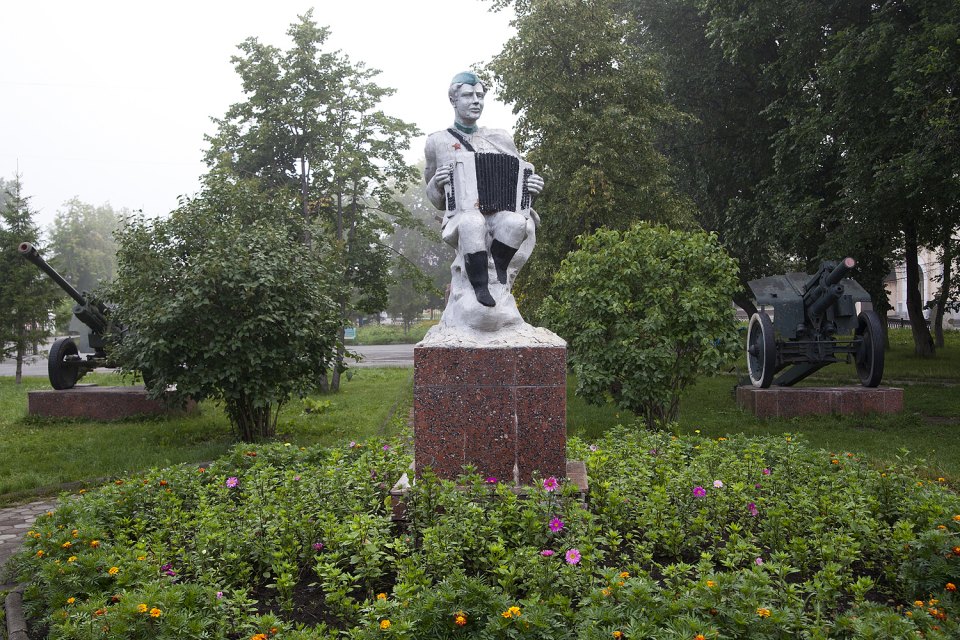
On the island you can find a fortress, restaurant and other attractions. The journey there takes 5 minutes by boat. Locals talk about the place ironically, yet almost everybody has visited at least once.
Sergey Poteryaev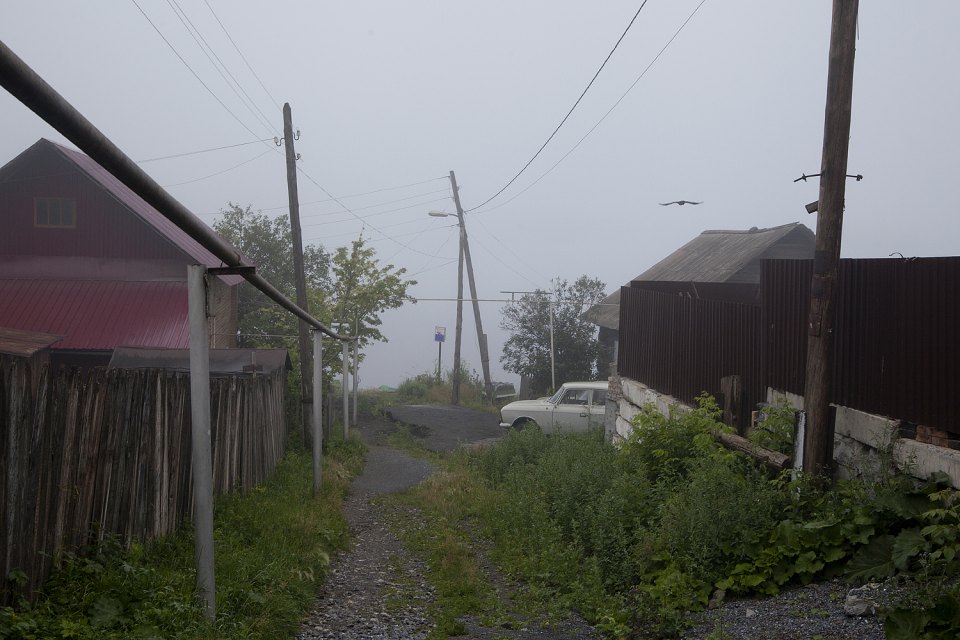
The residents of Satka have made an "Encyclopedia of the Satka district", nearly a thousand pages thick. There is everything: labor dynasties, rare plants, economic and production terms, athletes, specific dialect words and more.
Sergey Poteryaev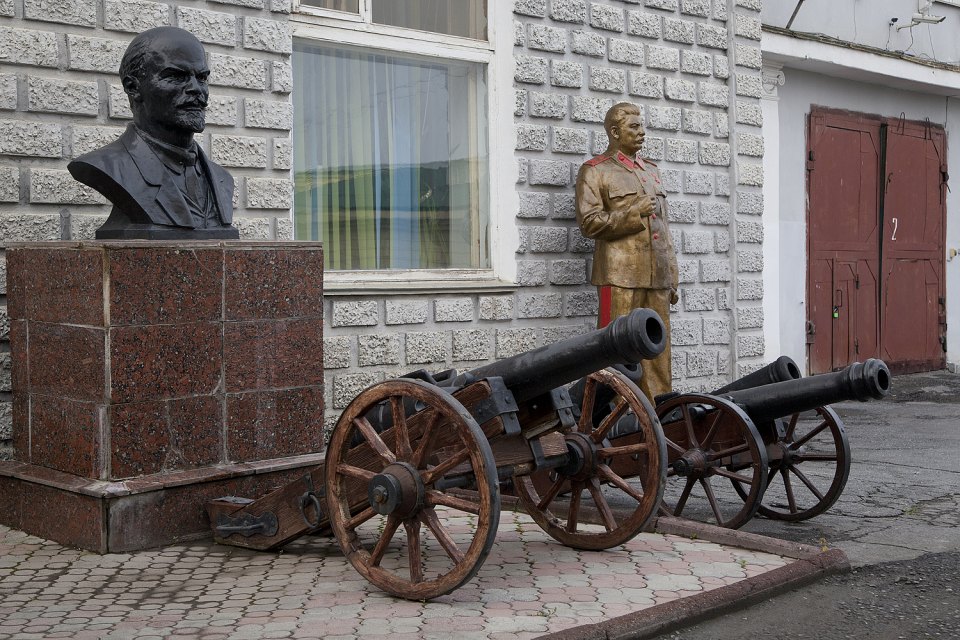
People say that "Satka has the oldest hydroelectric power station in Russia,” "Lake Zyuratkul is the highest mountain lake in Europe,” and other superlatives. Ok, at least half of them are questionable, but anyway people here believe that they are special, unlike anyone else. Here we see many weird exhibits — from retro cars to a monument of Joseph Stalin.
Sergey Poteryaev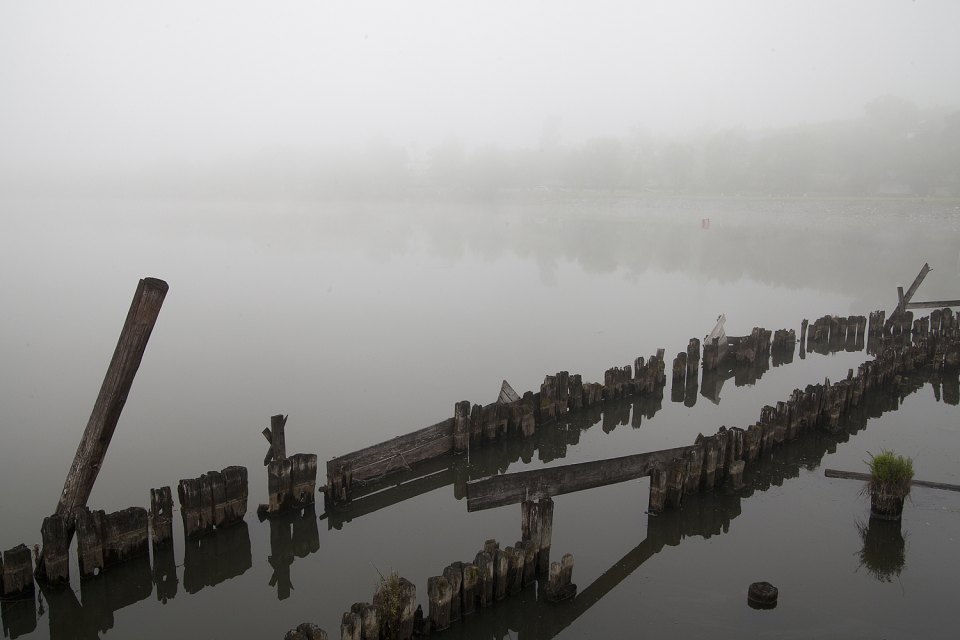
Sonya's Lagoon is situated in the old part of Satka. The district is located away from the main buildings and infrastructure.
Sergey Poteryaev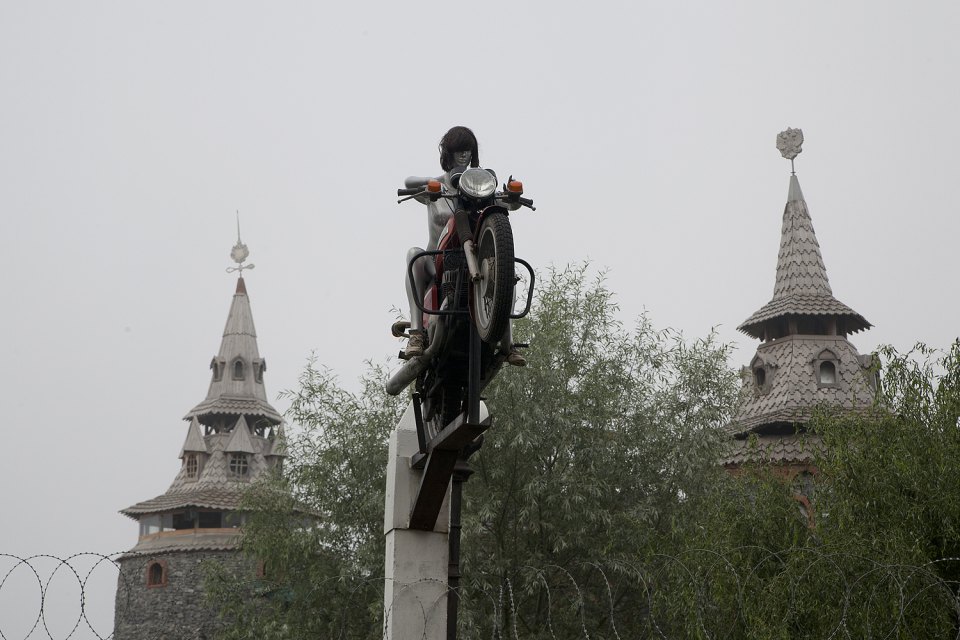
The history of the town dates from 1756, when entrepreneurs arrived and founded the Satka iron plant. The factory owner was Count A. S. Stroganov.
Sergey Poteryaev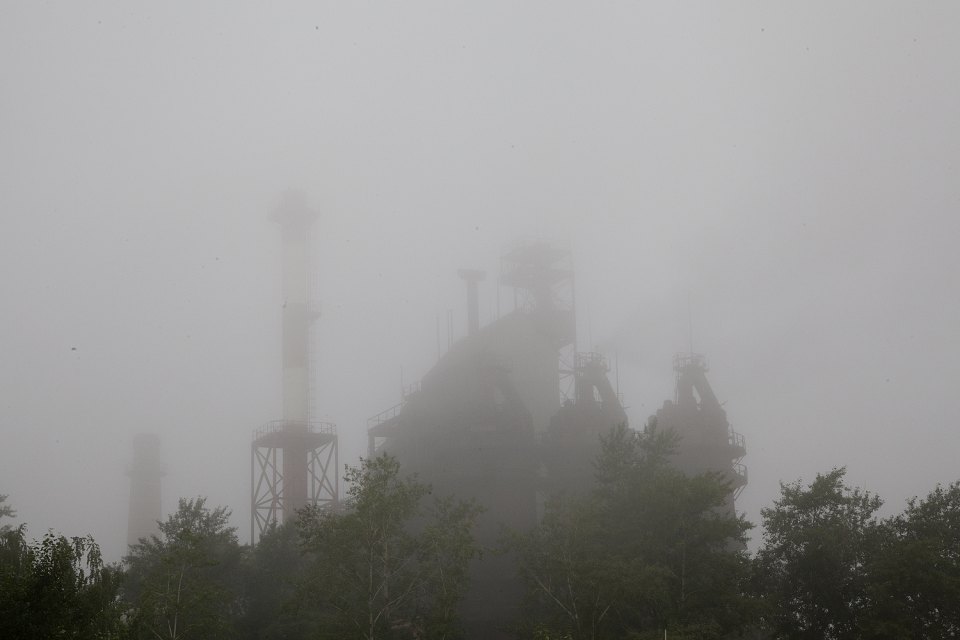
The plant is still operational, which is very unusual for the Urals. Most monotowns have folded because modernization is too difficult. May be it's because of the unusual optimism of Satka's residents.
Sergey PoteryaevSubscribe
to our newsletter!
Get the week's best stories straight to your inbox